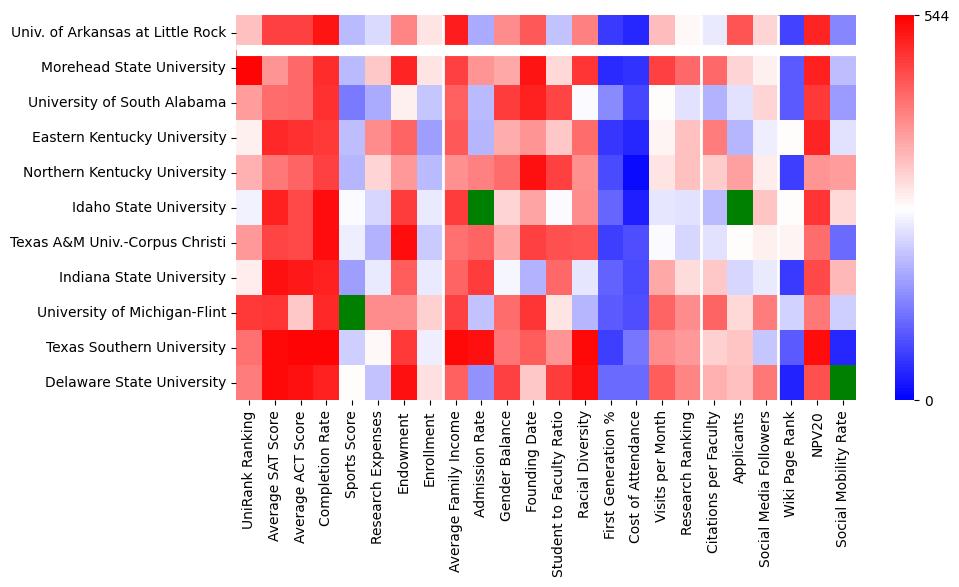
The University of Arkansas at Little Rock, often referred to as UA Little Rock, was established in 1927 as Little Rock Junior College. Over the decades, it evolved and expanded, achieving university status in 1969. Located in the heart of Arkansas's capital, the university benefits from its urban setting, providing students with ample opportunities for internships and engagement with the city's professional community. With a commitment to fostering educational access and opportunity, UA Little Rock serves a diverse student population, including a significant number of non-traditional and first-generation college students.
What sets UA Little Rock apart is its deep integration with the local community and its emphasis on research and innovation. The university is home to the Arkansas Small Business and Technology Development Center, which supports local entrepreneurs and businesses. Additionally, the campus houses the Center for Arkansas History and Culture, a resource that preserves and promotes the state's rich history. The university's location in a thriving metropolitan area provides students with unique opportunities for hands-on learning experiences, particularly in sectors like government, business, and healthcare.
Academically, UA Little Rock offers a robust selection of programs across its colleges, with standout offerings in engineering, business, and law. The Donaghey College of Science, Technology, Engineering, and Mathematics is particularly noteworthy for its engineering programs, which benefit from strong ties to local industry and research initiatives. The William H. Bowen School of Law is another highlight, known for its focus on practical legal education and community service, offering students valuable experiences through clinics and externships. The School of Business has also garnered attention for its innovative curriculum and connections with the Little Rock business community.
On the flip side, UA Little Rock faces challenges common to many urban universities, such as maintaining high retention and graduation rates. The university has been working to address these issues with initiatives aimed at improving student support services and enhancing campus facilities. While some students have expressed concerns about campus infrastructure, UA Little Rock has been proactive in its efforts to modernize and improve the learning environment, though progress can be slow. Despite these challenges, the university remains committed to providing quality education and fostering a supportive academic community.